Comparisons
Side-by-side comparisons for choosing a real web stack, not just comparing marketing pages.
These comparisons look at editing workflow, hosting requirements, performance trade-offs, maintenance cost, developer control, and the kind of site each option fits best.

Divi vs Elementor: Which Page Builder Should You Use in 2026?
A practical comparison of Divi and Elementor for WordPress developers and agencies. One side is hands-on. The other is research-based. Both are labeled clearly.
Elementor is the pick I can speak to from direct use. Divi's pricing is better for agencies building many sites, but I have not used it deeply enough to call that a personal recommendation.
Read comparison ->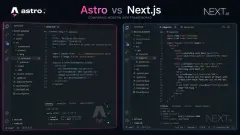
Astro vs Next.js: Which Framework Should You Use in 2026?
Practical comparison of Astro and Next.js for content sites and React apps. From a developer who builds with Astro in production and knows Next.js well enough to tell you when to use it instead.
Astro wins for content-heavy static sites where performance is the priority. Next.js wins for React applications, dynamic features, and complex interactivity. They target genuinely different use cases.
Read comparison ->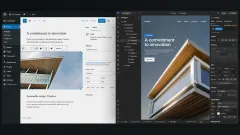
WordPress vs Webflow: Which Is Better for Your Project?
A practical comparison between WordPress and Webflow for developers, designers, and agencies deciding on a platform.
WordPress is better for client-editable CMS sites, WooCommerce, and plugin-dependent features. Webflow is better for design-led projects where visual control matters more than plugin flexibility.
Read comparison ->
WordPress vs Astro: Full Platform Comparison
A detailed head-to-head comparison of WordPress and Astro covering performance, CMS features, developer experience, and which to choose.
WordPress wins for client-editable sites, WooCommerce, and plugin-heavy projects. Astro wins for developer-controlled content sites, static blogs, and affiliate sites where performance matters.
Read comparison ->